
ABOUT US
History of IMR
HOW WE STARTED
A Legacy of Discovery
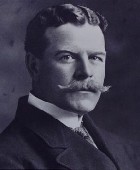
As the first director, Dr. Wright was the organiser and planner responsible for the construction of the IMR's initial building in 1901. His early scientific output established the Institute's foundation, with published studies focusing on the etiology and pathology of both beri-beri and malaria fever in British Malaya.
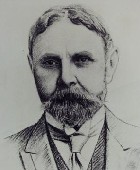
Dr. Daniels introduced a crucial biological approach to tropical disease problems at the IMR. His work centered on vector biology and environmental health, notably initiating studies on the purification of Malayan natural water and publishing reports on the culicidae (mosquitoes) of Malaya.
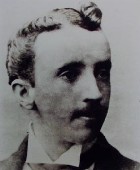
Dr. Fraser, alongside his team, conducted landmark research that definitively proved beri-beri to be a nutritional deficiency disease. They demonstrated through trials that consuming white rice caused the disease, while Indian cured rice did not, contributing a major early victory to tropical medicine.
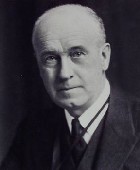
Dr. Stanton continued the beri-beri investigation with Fraser and was instrumental in the Durian Tipus field trial. A significant independent achievement during his tenure was the discovery of the causative agent for melioidosis.
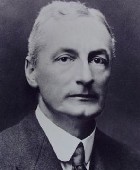
A pioneer in disease research, Dr. Fletcher is commemorated for his work on tropical typhus and leptospirosis. He also played a key role in re-establishing confidence in using quinine and cinchona alkaloids for treating malaria, dispelling contemporary fears of quinine resistance.
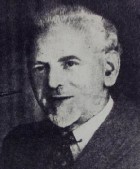
Dr. Kingsbury expanded the IMR's operational capacity by introducing the Pasteur treatment and local preparation of rabies vaccine in 1924, and by initiating The Lymph Station for Vaccine Production in 1929. He was also responsible for opening the first IMR branch laboratory in Ipoh in 1931.

K. Sato served as the director when the Japanese military took possession of the IMR in 1942, during which time the institute was renamed the Nettai Igaku Kenkyujo (Tropical Medicine Research Institute).
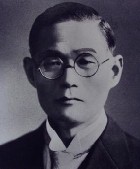
O. Kimura succeeded K. Sato, continuing to manage the IMR during the Japanese Occupation while the institute focused mainly on vaccine production and diagnostic services amidst the breakdown of disease control standards.
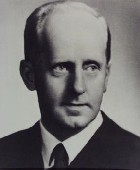
Dr. Lewthwaite was crucial in the post-war research effort by bringing in British and American research teams to combat endemic diseases, most notably initiating the collaborative work with the U.S. Army Medical Research Team that demonstrated the curative value of Chloramphenicol for scrub typhus.
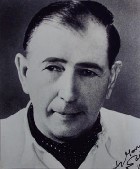
Dr. Field is famous for developing the "Field Stain" in 1941, a rapid Romanowsky aqueous stain that vastly improved the thick film diagnosis of malaria. During his tenure, he also oversaw the construction of a new block of laboratories in 1953, significantly expanding the Institute's facilities.
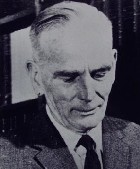
Specializing in tropical diseases, Dr. Wilson served on WHO Committees for malaria and filariasis. His major contribution was collaborative research that identified and characterized two distinct forms of the Malayan filarial worm that infected humans.
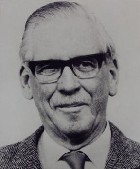
Having a background as a pathologist at the Ipoh branch, Dr. Marsden briefly served as director before the IMR entered a period of administrative transition in leadership.
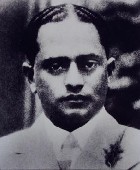
A long-serving IMR staff member, Dr. Chelliah was appointed director but retired less than a year later, representing a brief administrative period.
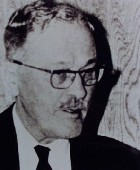
A leading authority in histopathology who joined IMR under the Colombo Plan, Dr. Duguid's principal contribution was actively training local pathologists within the Institute.
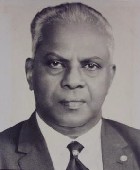
A renowned parasitologist with parasites named after him, Dr. Sandosham was the first Principal of the SEAMEO-TROPMED D.A.P. & E. course and authored the foundational manual, Malariology with special reference to Malaya.
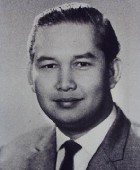
Professor Ungku Omar is highly recognized for declaring the IMR as Malaysia's National Centre for Tropical Medicine in 1967, establishing the School for training Medical and Health Laboratory Technology, and initiating a post-graduate program and laboratory standardization.
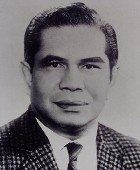
A former hospital administrator, Dr. Abu Bakar provided leadership during an administrative phase, having been involved in medical services and training within the Ministry of Health before his directorship.
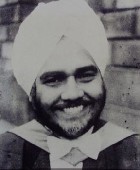
A distinguished bacteriologist, Dr. Ranjeet is known for his discovery of a new antibiotic named 'antinomin' and for establishing the Division of Bacteriology as the WHO Reference Centre on salmonellosis. He was also a noted philanthropist, bequeathing his estate to a medical research endowment.
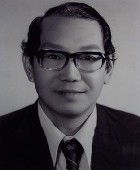
Dr. De Witt focused on guiding departmental efforts toward disease-orientated programs based on national and regional priorities. He was responsible for establishing key new units, including the Division of Radiochemistry, the Snake Farm, and the Biomedical Museum.
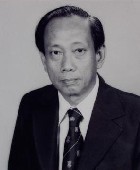
Dr. Lim was instrumental in the first report of haemorrhagic fever with renal syndrome (Korean haemorrhagic fever) in Malaysia and initiated, coordinated, and directed large-scale field research projects on major diseases like dengue, malaria, and filariasis.
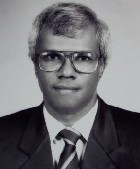
Dr. Jegathesan concentrated on research capability and institutional strengthening, streamlining procedures for research management, including funding and peer review. His contributions in medical microbiology were significant, including standardizing food microbiological examination procedures and formulating disinfectant and antibiotic policies for the Ministry of Health.
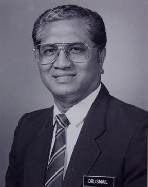
During his brief tenure, Dr. Ismail coined the IMR's mission statement: "EXCELLENCE IN MEDICAL RESEARCH THROUGH TOTAL COMMITMENT," and motivated the creation of posters depicting work Ethics and Moral.
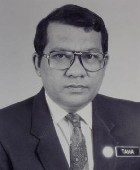
Dr. Mohamad Taha oversaw the renovation of the IMR to its present status, introduced the Public Development Services Circular and a new Computer System, established the current Library System, and set up the Dengue Research Unit.
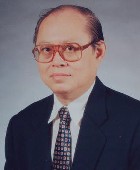
Dr. Mak was a respected expert in parasitic diseases, serving as a WHO expert Advisory Panel Member on Parasitic Disease (Filarial Infection) and a Short Term Consultant in Malaria for WHO in China, and was recognized with the National Science Award in 1985/1986.
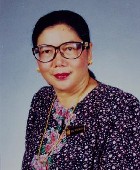
Dr. Narimah was an experienced public health expert and Advisor/Trainer to the WHO on programs such as Diarrhea, Immunization, and Quality Assurance in Primary Health Care, and was a consultant who prepared a Policy Paper on the National Women's Action Plan.
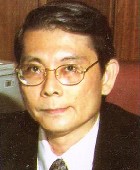
Dr. Lye was the Head of the Epidemiology Investigation Team during the 1999 Nipah Outbreak and a prominent figure in epidemiology, serving on the Editorial Boards of several international medical journals and as a WHO Temporary Advisor on disease management.
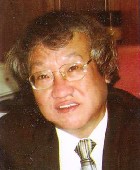
Dr. Ng, a prominent oral pathologist, was the long-time Head of the Division of Stomatology and later the Head of the Cancer Research Centre. He served as an Honorary Consultant Oral Pathologist for the University of Malaya and held a key role on the Oral Diseases Commission of the Asian Pacific Dental Federation.