RESEARCH
Allergy & Immunology Research Centre
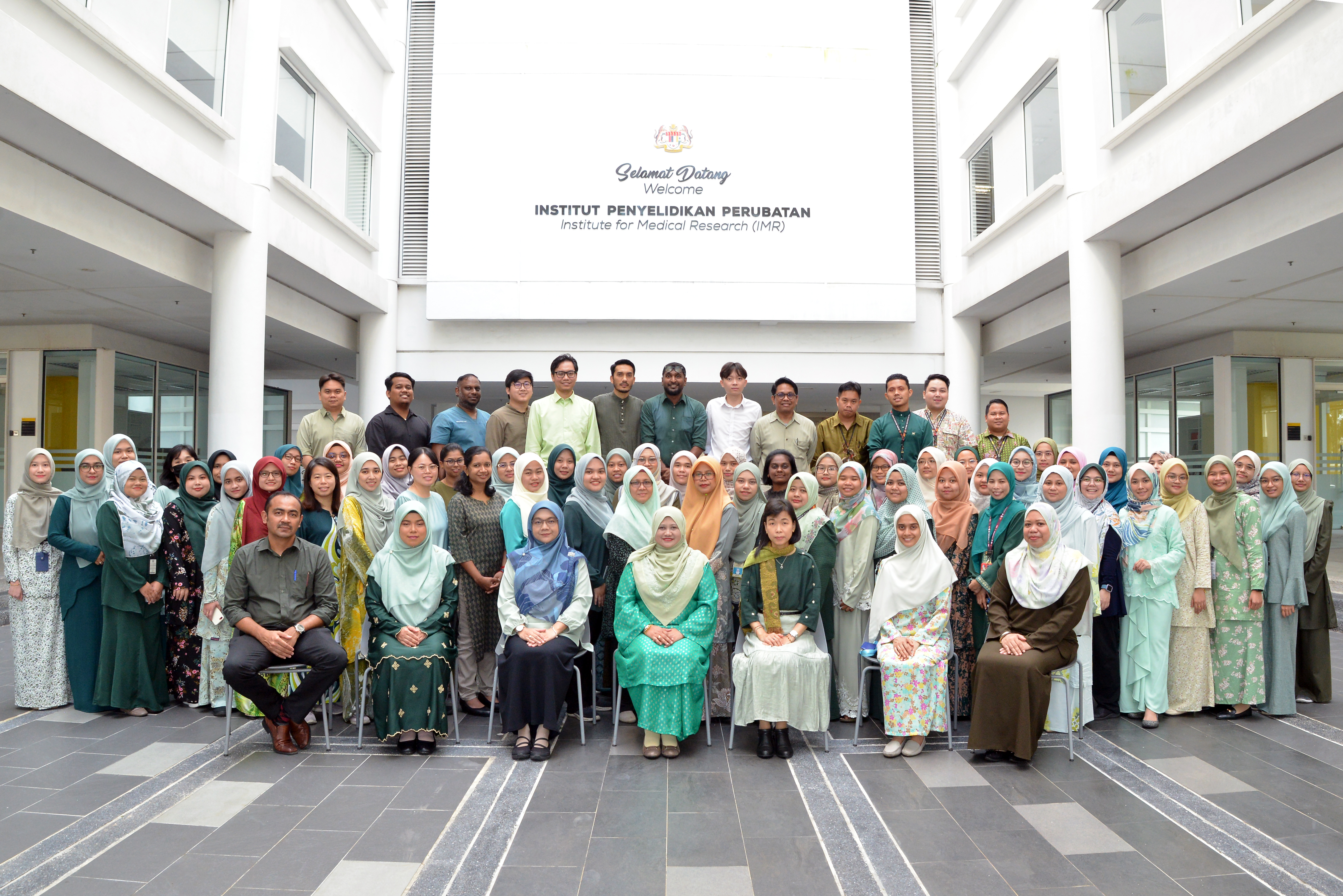
Allergy and Immunology Research Centre
The Allergy and Immunology Research Centre (AIRC) has a long history, tracing its origins back to the Institute for Medical Research (IMR) in 1928. It began as a smallpox vaccine production section, later known as the Lymph Station in 1930. This evolved into the Division of Serology in 1946, which was renamed the Division of Serology and Immunology in 1972, and finally established as the AIRC in 2001 following IMR's reorganization.
The Centre is dedicated to providing specialized diagnostic services across Malaysia to clients from the Ministry of Health and private sectors. AIRC also conducts fundamental and applied Immunology research focused on areas like allergic and autoimmune diseases, transplantation, infectious diseases (such as dengue), and vaccine development. Additionally, AIRC manages the Malaysian Stem Cell Registry (MSCR), a vital database of volunteers who donate stem cells for patients needing matched unrelated donors for transplantation.
AIRC is composed of five specialized units: Allergy, Autoimmune, Primary Immunodeficiency, Transplantation Immunology, and Immunogenetic.
Executive Summary
Head of Allergy & Immunology Research Centre
Dr. Masita Binti Arip
MD (UKM, Malaysia), MPath Medical Microbiology (UKM, Malaysia), Professional Development in Bone Marrow Donor Registry (Australia), Professional Development in Advanced Autoimmune Diagnostics (UK), Professional Development in Autoimmunity Research (USA), Professional Development in Vaccine Development (USA)
WOS | Scopus | Google Scholar | ORCID | ResearchGate
Telephone: +603-33627733
Email: masita.a@moh.gov.my
Centre Objectives
To advance health through high-quality biomedical and translational research in cancer, stem cell and regenerative medicine, genetic haematological disorder and oral diseases.
To support national health priorities in the early detection, risk stratification, treatment, prevention and control of related diseases.
To provide high-impact research and evidence-based diagnostic services to strengthen patient care and inform clinical decision-making.
To develop national expertise in oncology, haematology, oral diseases, stemcell research, and regenerative medicine.
To promote public and professional understanding of cancer and other related diseases through the Centre’s programmes and initiatives.
Centre Functions
To conduct high-impact biomedical research in the field of allergy and immunology, including research on vaccines and infectious diseases.
To provide specialized diagnostic laboratory services for the fields of allergy, autoimmunity, primary immunodeficiency, and transplantation immunology.
To conduct training and technology transfer for health officers, researchers, and medical professionals in the fields of immunology and allergy.
To provide consultancy and technical expertise in the field of allergy and immunology to ministries, health institutions, the pharmaceutical industry, and related organizations.

Human Resource Profile
Specialists
Medical Officers
Research Officers
Science Officers
Support Staffs
Allergy Unit
The Allergy Unit at IMR serves as the national referral centre for allergy diagnostics and research under the Ministry of Health Malaysia. It advances allergy diagnostics, clinical services, and research, with a focus on seafood allergy, allergen characterisation, and innovative diagnostic development to improve national capacity in allergy care and management.
Key Activities
- Advanced allergy diagnostics and biomarker profiling
- Allergen discovery, characterisation and standardisation
- Food and seafood allergy research
- Allergy mechanisms and immune response research
- Immunodiagnostic innovation and commercialisation
Autoimmune Unit
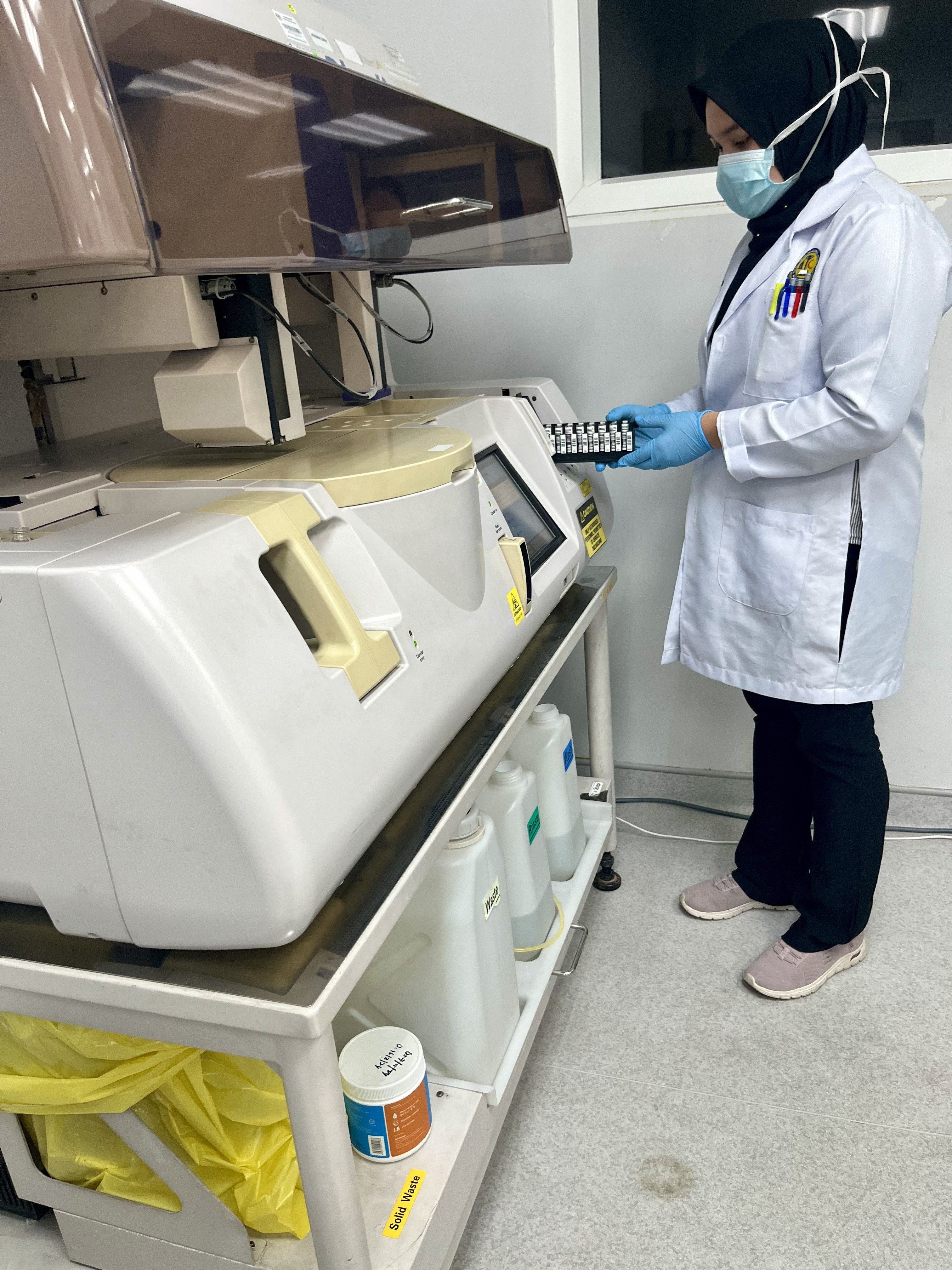
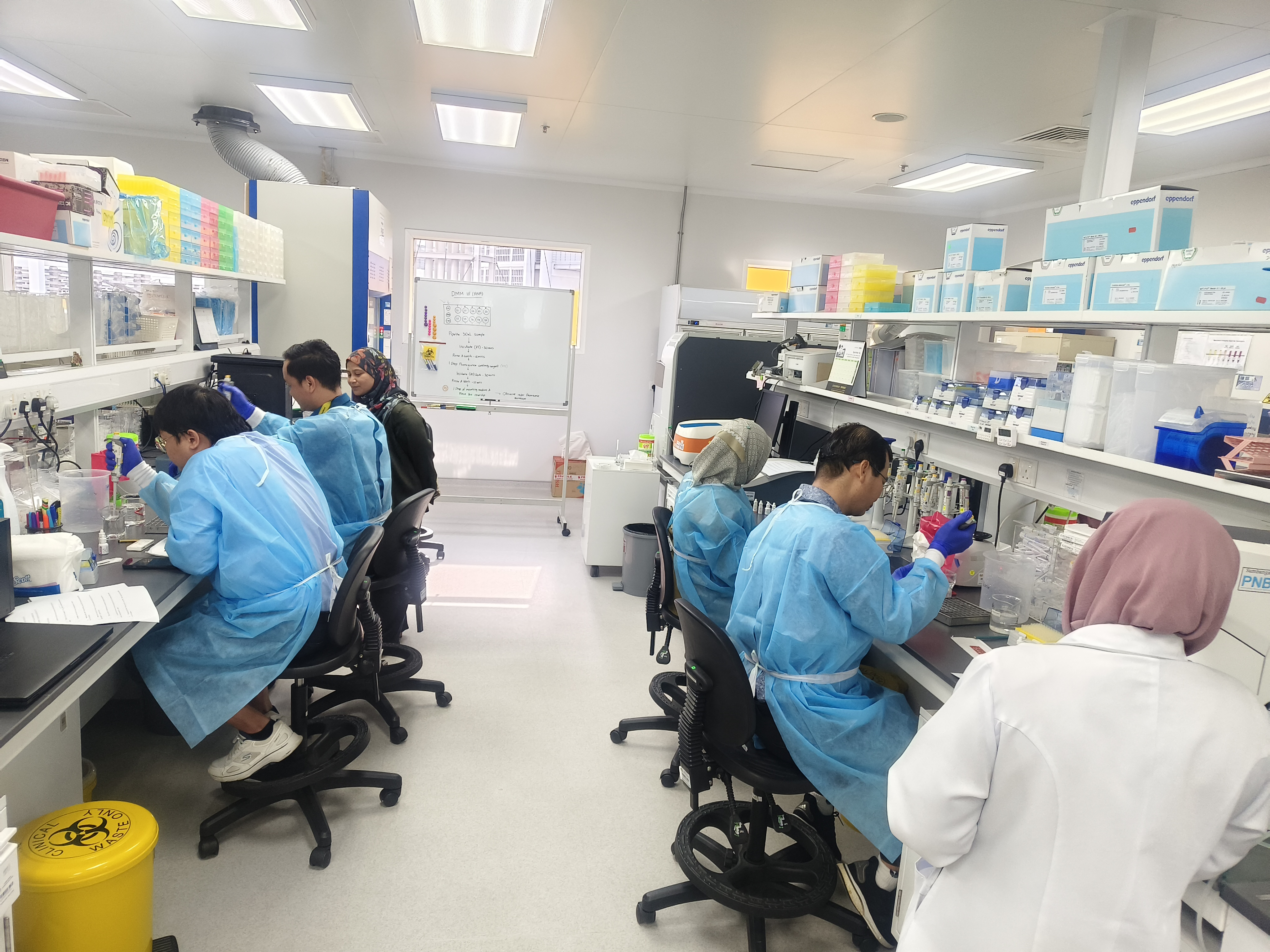
The Autoimmune Unit at the IMR's Allergy & Immunology Research Centre serves as the national referral hub for autoimmune diagnostics and research. Its core mandate involves advancing scientific understanding and diagnostic capabilities for autoimmune diseases and related work concerning mRNA vaccines. Beyond research and diagnostics, the unit is dedicated to cultivating expertise by collaborating with universities and hospitals to provide education and training, ensuring continuous progress in healthcare and scientific knowledge.
Key Activities
- Provide specialized autoimmune diagnostic tests.
- Conduct research in immunology and autoimmune diseases.
- Offer advanced laboratory training and updates.
- Supply autoimmune research and diagnostic consulting.
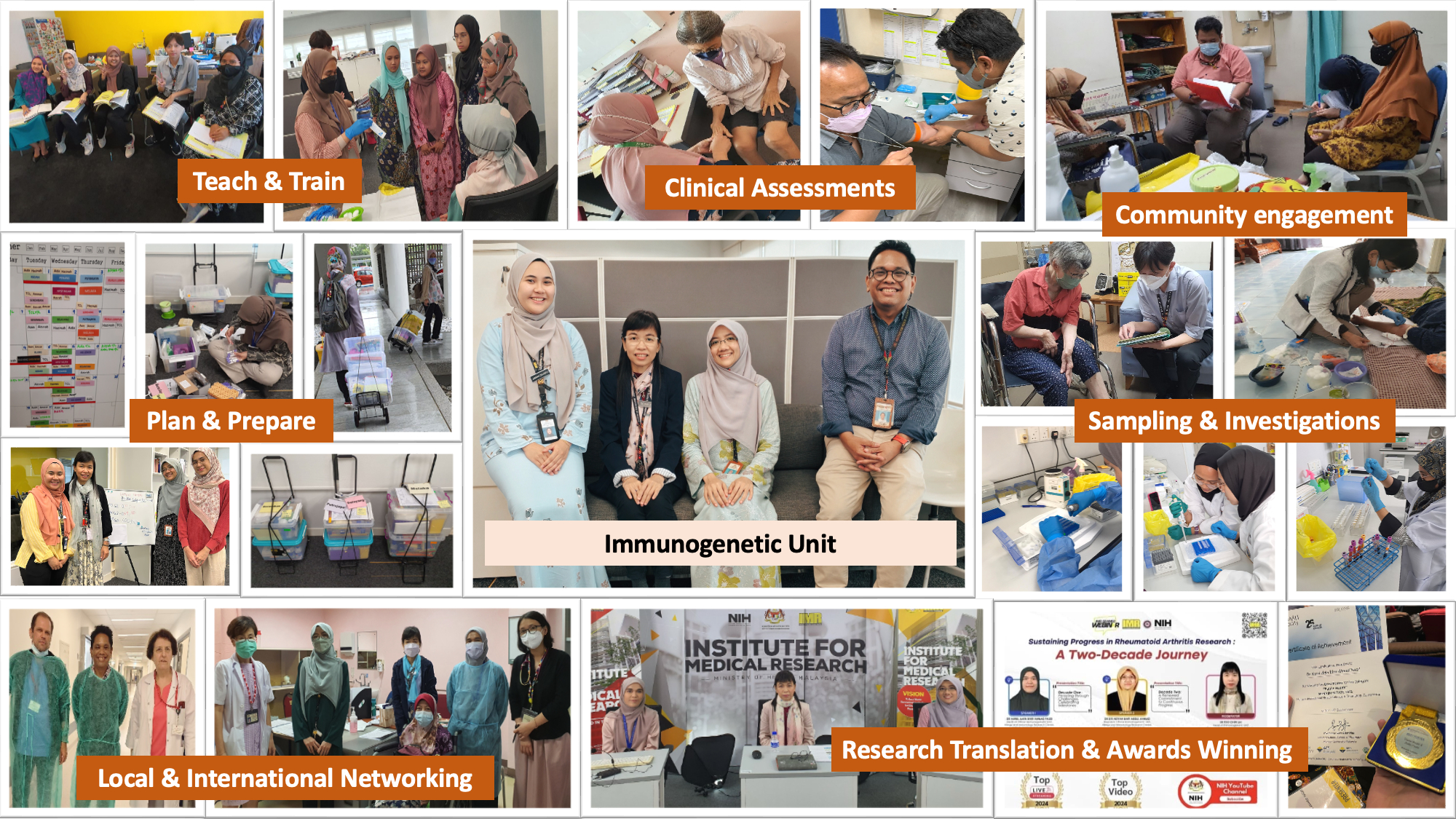
Immunogenetic Unit
Established in 2016, the Immunogenetics Unit conducts multidisciplinary research on how genes, environment, and immunity influence disease. The unit studies autoimmune, inflammatory, renal, infectious, and drug hypersensitivity disorders using genomic, molecular, and bioinformatics approaches to identify biomarkers, improve early risk assessment, and advance precision medicine for better patient outcomes in Malaysia.
Key Activities
- Translational and integrative immunogenetics research
- Specialized drug hypersensitivity and pharmacogenomic clinical diagnostic services
- Immunogenetics specialized training and technology transfer
- Immunogenetics and drug hypersensitivity technical expertise and consultation
Primary Immunodeficiency Unit
The primary immunodeficiency unit conducts research and diagnostic activities focusing on genetic, molecular and cellular mechanisms underlying immune deficiency disorders.
Key Activities
- Laboratory immunodiagnostics including cellular,humoral and genomic techniques for primary immunodeficiency diseases
- Research activities for strengthening the understanding of immune disorders
- Consultation on laboratory investigations for immunodeficiency
- Specialized laboratory training for the detection and diagnosis of immunodeficiency.
Transplantation Immunology Unit
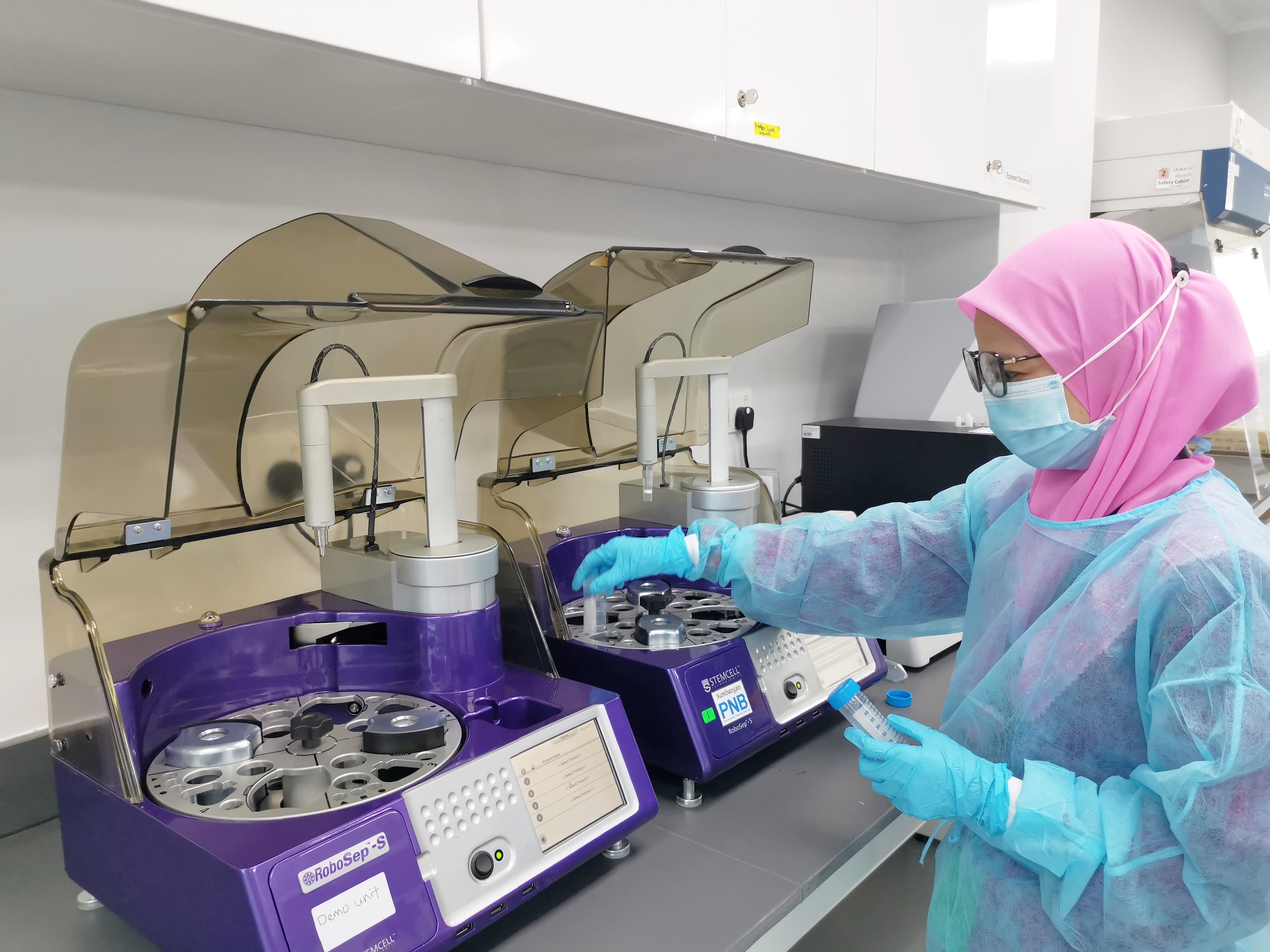
Established in 1985, the Human Leukocyte Antigen (HLA) laboratory within the Immunology Division of IMR served as the national tissue typing referral laboratory. In 2010, it was renamed the Immunogenetic Unit. Subsequently, in 2016, it became known as the Transplantation Immunology Unit under the Allergy & Immunology Research Centre.
Key Activities
- Solid organ and hematopoietic transplants diagnostic services.
- Immune response in solid organ and stem cell transplantations.
- HLA genotyping for pharmacogenomic and disease association studies.
- Subspeciality, post-graduate and post-basic training in transplantation immunology.